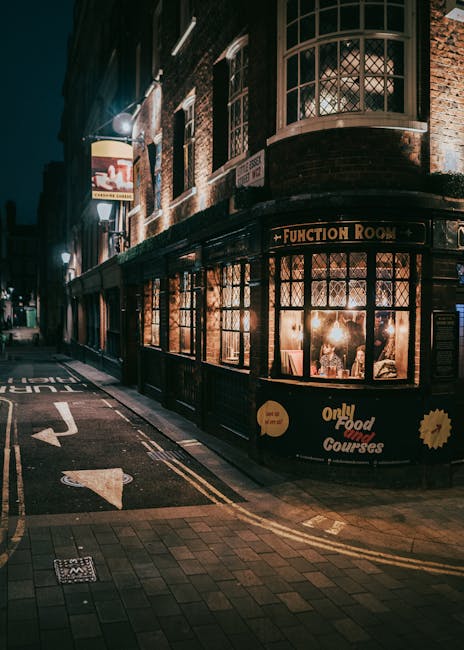
Post party deep cleaning for Old Compton Street venues
Old Compton Street has a very particular energy after closing time. Music fades, glasses are stacked, chairs are upended, and the floor tells the story of the night in sticky footprints, spilt drinks, confetti, crumbs, lipstick marks, and the occasional mystery stain nobody wants to claim. Post party deep cleaning for Old Compton Street venues is the process that turns that late-night chaos back into a venue that feels clean, safe, and ready for the next booking.
Whether you run a bar, private hire space, club, restaurant, or event venue, the clean-up after a busy service is not just about appearances. It affects hygiene, smell, safety, staff morale, and the impression you leave on the next customer. In a lively Soho setting, where turnaround windows can be tight and expectations are high, a proper deep clean is less of a luxury and more of a business habit. Let's face it, the difference between a rushed reset and a thorough clean is obvious by the second guest coming through the door.
This guide explains what post-party deep cleaning involves, how it works, what areas need the most attention, and how venues on or near Old Compton Street can handle it properly without missing the awkward details that tend to cause trouble later.
Table of Contents
- Why post-party deep cleaning matters
- How the cleaning process works
- Key benefits and practical advantages
- Who needs it and when it makes sense
- Step-by-step guidance
- Expert tips for better results
- Common mistakes to avoid
- Tools, resources and recommendations
- Law, compliance, standards, or best practice
- Options, methods, or comparison table
- Case study or real-world example
- Practical checklist
- Conclusion
- Frequently asked questions
Why Post party deep cleaning for Old Compton Street venues Matters
A venue can look tidy at a glance and still be far from clean. After a party, the visible mess is only part of the job. The real issue is the build-up that hides in corners, under furniture, on skirting boards, in washrooms, inside fabric seating, and across high-touch surfaces. Old Compton Street venues often run on quick turnaround. That means the standard "wipe and sweep" approach is rarely enough if you want the place to feel genuinely fresh again.
There is also a commercial side to this. Guests notice smells, marks, and small signs of neglect very quickly. A stale drink smell, greasy bathroom tap, or carpet stain can make a venue feel tired even when the rest of it is working well. That is the sort of detail people remember. Not the playlist, sadly. The sticky patch under table six? Yes, they notice that.
From a practical point of view, deep cleaning helps reduce slip risks, manage waste properly, and cut down on grime that gets harder to remove if left overnight or longer. In busy hospitality spaces, delaying the clean almost always costs more time later. Glassware goes by, the spill dries, and suddenly you are dealing with hardened residue instead of a quick wipe-down.
For venue operators, the real value is consistency. A clean venue feels controlled, professional, and cared for. That matters on a street like Old Compton Street, where footfall is steady, competition is close, and first impressions carry a lot of weight.
Expert summary: Post-party deep cleaning is not just "after-hours tidying". It is a structured reset that targets hidden dirt, odours, stained fabrics, hard floors, washrooms, and all the touchpoints that shape customer perception.
How Post party deep cleaning for Old Compton Street venues Works
A proper post-event clean usually starts before anyone picks up a mop. The best teams do a quick assessment first: what type of event was it, how many guests attended, which areas were used, and where is the worst of the mess concentrated? A small private room has very different needs from a full venue takeover, and the plan should reflect that.
In practice, the cleaning sequence often follows a simple logic:
- Clear the space. Remove glassware, rubbish, decorations, loose items, and any equipment left behind.
- Deal with hazards. Check for broken glass, wet patches, trailing cables, and anything that could cause a slip or cut.
- Work from high to low. Dust or wipe upper surfaces first, then move down to tables, counters, fixtures, skirting, and floors.
- Treat stains and odours. Address food, drink, and body-contact marks before they settle into fabrics or porous surfaces.
- Refresh washrooms. Sanitary areas need a more detailed clean than a quick surface pass.
- Finish with floors and touchpoints. This is where the room starts to look and feel properly reset.
That sequence sounds simple, and in a way it is. But doing it well takes judgement. For example, a citrus-based cleaner may help with some residue, yet it can be the wrong choice on delicate surfaces. Similarly, over-wetting carpets or upholstery can leave you with damp smells by morning. Nobody wants a venue that smells like yesterday's mop water. Nobody.
Depending on the venue, post-party deep cleaning can also include commercial cleaning support, floor care, upholstery treatment, and targeted stain removal. If the event has left fabric seating or carpeted areas heavily marked, specialist services such as steam carpet cleaning or upholstery cleaning may be part of the plan.
Key Benefits and Practical Advantages
There are the obvious benefits, and then there are the ones that quietly save money over time. A thorough post-party clean improves presentation, but it also protects the building and the assets inside it. That matters especially in hospitality spaces where fabric seating, polished floors, mirrors, and decorative finishes take a beating night after night.
- Better guest experience: Guests walk into a space that feels ready, not half-reset.
- Lower long-term wear: Removing spills and grime early helps protect carpets, upholstery, and hard flooring.
- Reduced odours: Drink spills, food residue, and waste smells are less likely to linger.
- Safer floors and walkways: Cleared debris and proper drying reduce slip hazards.
- Stronger staff workflow: Teams can start the next shift without fighting last night's mess.
- Better brand reputation: A clean venue sends the right signal before a customer has even sat down.
One overlooked benefit is morale. Staff notice whether management expects them to work around residue and mess, or whether the venue has a proper system in place. Cleanliness is one of those unglamorous things that quietly shapes how a team feels about a place. If the back-of-house is grim, people feel it.
There is also a financial angle worth mentioning. While no two venues have the same needs, a planned deep clean is usually easier to control than a reactive emergency clean after stains have set, odours have spread, or flooring has been damaged.
Who This Is For and When It Makes Sense
This service is not only for nightclubs. It is relevant to a wide range of Old Compton Street venues and hospitality spaces, including:
- bars and cocktail lounges
- restaurants with late seating or private dining
- event spaces and function rooms
- members' venues and private hire rooms
- small entertainment spaces
- venues hosting launch events, birthdays, or corporate socials
The service makes sense after any event that leaves visible and hidden residue behind. That could mean a packed Friday night with lots of foot traffic, a one-off hire with heavy drink service, or a celebration that included food, decorations, and a lot of people moving in and out of the same tight space.
It is especially sensible when:
- the venue reopens the same day or next morning
- there are carpets, rugs, curtains, or soft seating in use
- the washrooms saw heavy traffic
- you need to meet a high presentation standard for bookings or inspections
- staff time is better spent on service than on a long, deep clean
For venues that need regular resets rather than one-off recoveries, pairing a deep clean with regular cleaning can make the whole operation much easier to manage. That is usually the smarter route, honestly, because grime has a habit of multiplying when no one is looking.
Step-by-Step Guidance
If you are planning a post-party clean for a Soho venue, it helps to break the job into stages. That way the work stays controlled and nobody wastes energy going back and forth.
1. Start with a proper walk-through
Before cleaning begins, inspect the venue room by room. Note the heaviest mess, any breakages, any damp patches, and any areas that need specialist treatment. A quick look can save a lot of repeat work later.
2. Remove all waste and loose debris
Clear bottles, cans, napkins, food waste, party decorations, and rubbish from the main space. If the venue uses segmented bins, check that waste is sorted properly before it leaves the building. A clutter-free room is much easier to clean properly.
3. Protect delicate surfaces
Take care around polished wood, decorative finishes, mirrors, and branded fixtures. Harsh scrubbing can do more damage than the original mark. Sometimes the trick is patience, not force. Annoying, but true.
4. Treat stains early
Drink spills, sauce marks, grease, lipstick, and sticky residue should be tackled as soon as possible. The longer they sit, the more likely they are to settle into fabrics or flooring. If a stain is already set, using the wrong product can make it worse rather than better.
5. Clean high-touch points thoroughly
Door handles, railings, switches, counter edges, taps, flush handles, and payment points all need close attention. These areas often look fine while still carrying residue from the night before.
6. Focus on washrooms and service areas
Washrooms need a more detailed clean than the main floor. Pay attention to sinks, taps, mirrors, toilets, floors, and any splash zones. Back-of-house areas may need degreasing, sanitising, and a full wipe-down of prep surfaces too.
7. Finish with floors and odour control
Floors usually tell the truth about how well the clean has gone. Sweep, vacuum, mop, and dry properly. If the venue has carpeted areas, a more specialist treatment may be needed. Open windows where appropriate, use ventilation carefully, and make sure the space is dry before reopening.
For many venues, the final look matters almost as much as the hygiene. A room can be technically clean but still feel flat if the floors are dull or the fabrics smell stale. That is where detail work earns its keep.
Expert Tips for Better Results
After enough late-night clean-ups, you learn a few things the hard way. The good news is that most of the mistakes are avoidable.
- Work fast on sticky drinks: sugar-based spills become a magnet for dirt if left overnight.
- Use the right cloth for the right job: one cloth for toilets, another for bars and surfaces. Mixing them is asking for trouble.
- Do a smell check near opening time: odours often become more noticeable once the room is warm and closed up.
- Test products first: especially on upholstery, rugs, and dark flooring.
- Don't forget hidden edges: under benches, behind bins, around skirting, and beneath counters.
- Allow enough drying time: rushing wet flooring is a good way to create another problem.
If a venue has a lot of fabric furnishings, calling in sofa cleaning or rug cleaning services can be worthwhile when the usual surface clean is not enough. Likewise, stubborn marks may need proper stain removal rather than a casual scrub with whatever is under the sink.
A small practical habit helps too: keep a post-event kit ready. Gloves, cloths, absorbent paper, waste bags, glass-safe cleaning products, and a proper checklist. It sounds basic because it is basic. Basic is good.
Common Mistakes to Avoid
Most venue cleaning problems do not come from huge failures. They come from little shortcuts that add up.
- Leaving stains for later: fresh marks are always easier to treat than dried ones.
- Using too much water: especially on carpets, rugs, and upholstered seating.
- Skipping high-touch points: because they are easy to miss when the space looks "mostly clean".
- Forgetting odour sources: bin areas, drains, fabric, and waste storage all matter.
- Cleaning in the wrong order: if you mop first and dust later, you may end up repeating work.
- Ignoring soft furnishings: they trap smells long after the hard surfaces look fine.
Another common issue is underestimating staffing time. After a lively event, the clean-up often takes longer than people think. If you only budget for a quick reset, the last 10% of the job is where the delays show up. That last bit is rarely glamorous, and yet it's what guests notice most.
Tools, Resources and Recommendations
You do not need a warehouse full of equipment, but you do need the right basics for a venue clean that actually works.
| Tool or approach | Best use | Why it helps |
|---|---|---|
| Microfibre cloths | Bars, tables, mirrors, fixtures | Lift residue well and reduce smearing |
| Wet-and-dry vacuum | Spills, debris, floor recovery | Speeds up removal of liquid and loose mess |
| Colour-coded cleaning system | Washrooms, food areas, general surfaces | Reduces cross-contamination risks |
| Upholstery-safe cleaner | Seating and soft furnishings | Helps treat marks without damaging fabric |
| Floor-safe degreaser | Hard floors and greasy service zones | Breaks down residue more effectively |
| Odour neutraliser | Waste areas and smell-prone rooms | Helps remove lingering party smells |
If the venue has hard flooring that picks up scuffs and dull patches, a more specific hard floor cleaning approach may be useful. For carpeted sections, carpet cleaning or commercial carpet cleaning may be the better fit. And if the post-party clean includes windows or mirrored frontage, window cleaning can make a surprising difference to the way the whole venue feels the next morning.
For venue managers who want a single, organised reset rather than several separate jobs, a broader one-off cleaning service may be the simpler route. It keeps the process cleaner, if that makes sense, and fewer people end up stepping on each other's toes.
Law, Compliance, Standards, or Best Practice
For hospitality venues, cleanliness is not just a branding issue. It also sits alongside wider duties around hygiene, safe working practices, waste handling, and risk reduction. You do not need to overcomplicate it, but you should treat it seriously.
In the UK, venue operators are expected to manage cleaning in a way that protects staff, guests, and contractors. That usually means sensible procedures for handling chemicals, dealing with broken glass, preventing slips, and ensuring waste is stored and removed appropriately. If your team is cleaning after a busy event, basic health and safety habits really matter.
It is also worth having clear internal rules for:
- who signs off the venue as ready to reopen
- how bodily spills or sharps are handled
- which products are used on which surfaces
- how ventilation and drying are managed
- what gets escalated for specialist treatment
For peace of mind, some venues prefer working with a provider that can show suitable insurance and a sensible approach to site safety. If that matters to you, it is reasonable to review a provider's insurance and safety information and their health and safety policy. You may also want to check broader business terms and payment details before booking, especially for recurring or late-night work. No drama, just good housekeeping.
From a best-practice point of view, the clean should be recorded somewhere simple: what was done, what products were used, and whether any damage, stains, or repairs were flagged. That tiny bit of admin can save a lot of confusion later.
Options, Methods, or Comparison Table
Not every venue needs the same level of intervention after a party. The right approach depends on the room, the materials, and how hard the space was used. Here is a practical comparison.
| Method | Best for | Pros | Limitations |
|---|---|---|---|
| Basic reset clean | Light events, low mess | Fast, low-cost, useful for same-night turnaround | May miss embedded dirt and odours |
| Deep clean | Busy parties, mixed surfaces, visible grime | More thorough, better for hygiene and presentation | Takes longer and needs proper planning |
| Specialist fabric and floor treatment | Carpets, rugs, upholstery, marked floors | Targets problem areas and protects materials | Usually best as part of a broader clean |
In many cases, the best answer is a combination: standard deep cleaning for the venue, plus specialist treatment for high-risk surfaces. A club or bar with heavy footfall might need that more often than a private dining room, but the principle is the same. Match the method to the mess. Simple, really.
Case Study or Real-World Example
Imagine a private-hire venue just off Old Compton Street after a Saturday night birthday event. The main room has drink spills around the bar, damp patches near the entrance, fingerprints on glass, a sticky patch under a table, and a faint sweet smell hanging around the room. The toilets are usable, but not quite presentable. There are also a couple of marked chairs and a rug that has taken the brunt of the foot traffic.
A good clean in that scenario would not start with the rug. It would begin with waste removal, breakage checks, and quick hazard control. Then the team would tackle washrooms, tables, the bar area, and any obvious stains. Only after that would the rug and seating be treated, ideally with the correct method rather than an aggressive all-purpose spray. The hard floor near the entrance would be dried carefully to avoid slips, and the venue would be ventilated before reopening.
The difference at the end is fairly dramatic. The room no longer smells tired. The surfaces look intentional again. Staff are not trying to hide missed patches from the first guest walk-in. And perhaps most importantly, the venue feels like a business that knows what it is doing.
That is the kind of result people are really paying for.
Practical Checklist
Use this checklist before the venue reopens after a party:
- Remove all waste, glass, and leftover decorations
- Check floors for sticky patches, spills, and slips
- Clean and dry all bar and table surfaces
- Sanitise toilets, sinks, taps, and flush handles
- Wipe door handles, switches, and railings
- Inspect upholstery, rugs, and carpets for marks
- Address odours at the source, not just with fragrance
- Check mirrors, glass, and windows for smears
- Confirm all back-of-house areas are tidy and safe
- Do a final walk-through under normal lighting
Quick tip: if the room still looks fine but feels "off", trust your nose and your hands. A venue often needs one more pass than the eye alone suggests.
Conclusion
Post party deep cleaning for Old Compton Street venues is about more than making a room look presentable. It protects your reputation, reduces risks, extends the life of your interiors, and helps your team start the next shift with less friction. In a busy Soho setting, where pace matters and standards are visible, that is not a small thing.
The best results come from a calm, structured process: clear the space, deal with hazards, clean in the right order, treat stains early, and pay attention to the overlooked bits that usually cause trouble later. When you get those basics right, the venue feels like itself again, only fresher.
If you are comparing support options or planning a regular post-event reset, it is worth thinking beyond the one-night clean and toward a system that fits your venue's rhythm. That small shift can make busy weeks feel a lot less chaotic.
Get a free quote today and see how much you can save.
And if nothing else, a properly cleaned venue has a kind of quiet confidence about it. You can feel it when you walk in.
Frequently Asked Questions
What is post party deep cleaning for Old Compton Street venues?
It is a thorough clean carried out after a private event, party, or busy night service to remove spills, waste, stains, odours, and hidden grime from the venue.
How is a deep clean different from a standard closing clean?
A standard closing clean usually handles the visible basics. A deep clean goes further, targeting difficult stains, soft furnishings, floor build-up, washrooms, and overlooked touchpoints.
Do venues need specialist carpet or upholstery cleaning after a party?
Not always, but if there are drink spills, food marks, or lingering smells in carpets, rugs, chairs, or sofas, specialist treatment is often the better choice.
How quickly should a venue be cleaned after an event?
Ideally as soon as practical. Fresh spills and residue are much easier to remove before they dry, set, or become a smell issue.
Can a venue reopen the same day after post-party cleaning?
Sometimes, yes. It depends on the size of the event, the amount of mess, the drying time needed, and whether any specialist treatments were used.
What areas get missed most often?
Skirting boards, under furniture, behind bins, door handles, washroom touchpoints, and soft seating are common problem areas. They are easy to overlook when everyone is rushing.
Is post party cleaning useful for small private rooms as well as larger venues?
Absolutely. Smaller rooms can actually show stains and smells faster because everything is more concentrated in one space.
What should venue staff do before cleaners arrive?
Clear away valuables, cash, personal items, and anything fragile. It also helps to identify breakages, stains, or damage so nothing gets missed.
How do you stop bad smells after a party?
Remove the source first. That usually means waste, spills, fabric residue, and damp patches. Fresh air helps, but odour control starts with proper cleaning.
Are hard floors easier to restore than carpets after a party?
Usually yes, because hard floors can often be cleaned and dried more quickly. Carpets and rugs tend to hold on to stains and smells for longer.
Should venues use the same cloths for washrooms and bar areas?
No, they should not. Separate cloths and a sensible colour-coded system help reduce cross-contamination and keep cleaning standards higher.
How do I know if a venue needs one-off or regular cleaning support?
If events happen only occasionally, a one-off deep clean may be enough. If the venue hosts frequent functions or busy nights, regular cleaning plus post-event resets usually works better.
What is the biggest mistake venues make after a party?
Rushing the clean and assuming the room is fine because it looks tidy from a distance. That is usually when the hidden issues get left behind.
Where should I start if I want help with a post-party venue clean?
Start by assessing the space, the surfaces, and the type of event that took place. Then decide whether you need a general deep clean, specialist floor or fabric work, or a broader commercial clean.